Industry Insights to monitoring data center performance
Maximize Performance: Leading Data Center Facility Operations Services for Optimal Performance
Streamlining efficiency in data centers is necessary for organizations working to strengthen capability. Top Data Center Infrastructure Management (DCIM) services furnish essential capabilities for immediate tracking and reporting. Solutions from ServiceNow, Sunbird, Schneider Electric, and Nlyte prove superior in this arena. These services not only supervise assets but also streamline resource usage. Understanding how to determine the right DCIM solution can deliver significant improvements. What elements should organizations examine to make an strategic choice?
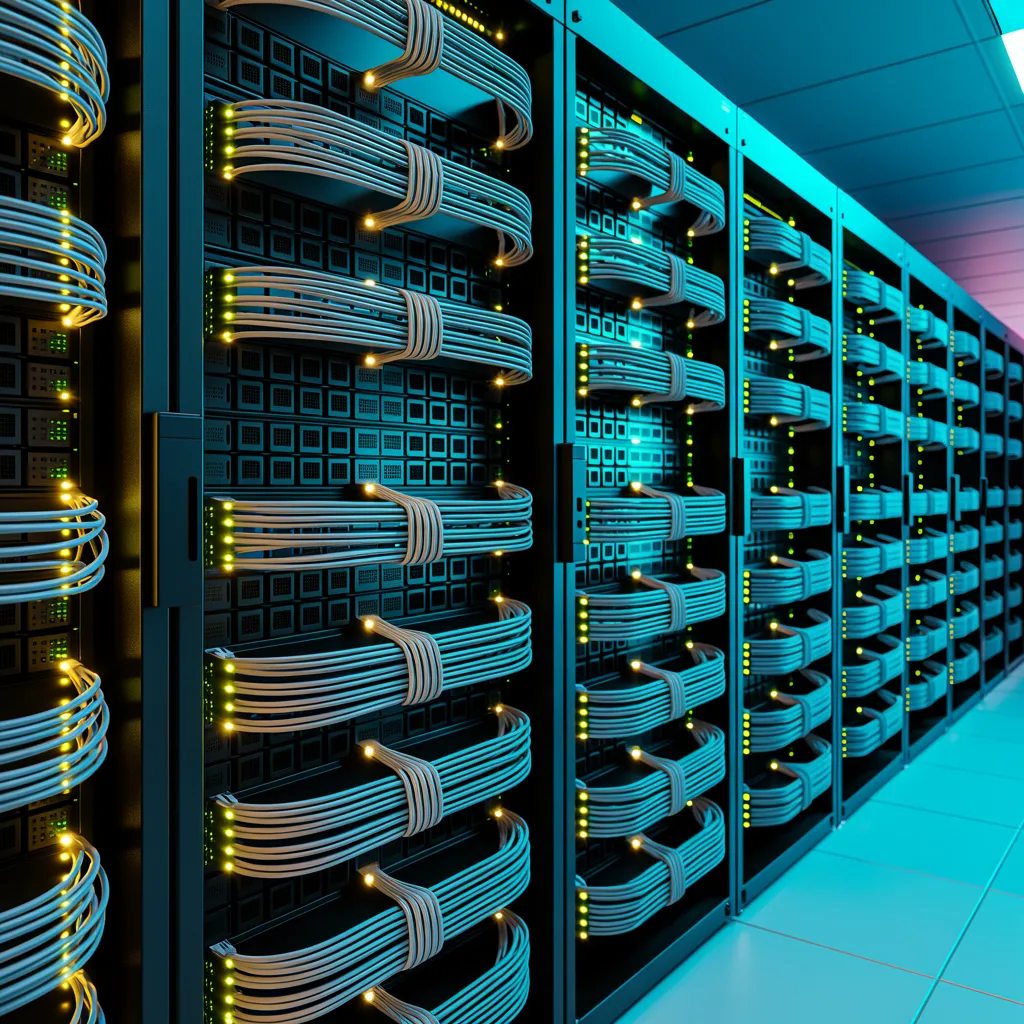
Leading DCIM Services for 2023
As enterprises increasingly rely on data centers to support their operations, selecting the best Data Center Infrastructure Management (DCIM) services for 2023 proves vital. Prominent DCIM platforms offer detailed approaches designed to optimize resource management, strengthen operational efficiency, and assure robust monitoring capabilities. Notable contenders in the market include ServiceNow, known for its integration capabilities, and Sunbird, which excels in real-time visualization and reporting. Additionally, Schneider Electric provides a powerful platform for energy management and asset tracking.
Another key player, Nlyte, specializes in improving data center efficiency through sophisticated analytics. These services not only enable better strategic choices but also assist with predicting upcoming needs. As data demands continue to grow, selecting a DCIM service that offers flexibility and adaptability is essential. Ultimately, companies must assess their specific needs to choose the most suitable DCIM service, ensuring peak performance and dependability in their data administration strategies.
Exploring Data Center Infrastructure Management (DCIM)
Data Center Infrastructure Management (DCIM) encompasses a suite of tools and practices created to oversee, control, and enhance data center assets. By combining IT and facility management, DCIM delivers comprehensive visibility into the performance and utilization of critical assets. This method facilitates real-time data collection, allowing operators to make informed decisions regarding power usage, temperature management effectiveness, and space utilization.
DCIM products often provide functions including asset tracking, resource planning, and environmental monitoring, which together elevate business performance. They enable facility operators to spot impediments, streamline workflows, and reduce financial burden. Additionally, DCIM enables business planning for growth opportunities and helps businesses to comply with legal requirements. By adopting effective DCIM techniques, data centers can accomplish higher reliability, improved sustainability, and greater overall performance, therefore fostering enhanced service delivery in a rapidly evolving digital landscape.
Key Attributes for Picking Robust DCIM Solutions
Selecting effective Data Center Infrastructure Management (DCIM) solutions requires thorough evaluation of critical capabilities that enhance performance and resource management. Crucial characteristics feature immediate observation capabilities, delivering immediate awareness into energy consumption and environmental conditions. Connectivity with current infrastructure is also vital, as seamless communication fosters a integrated approach to data management.
Scalability acts as another significant element, enabling organizations to adjust as their infrastructure transforms and expands. Advanced analytics can deliver predictive insights, supporting strategic planning and reducing downtime. User-friendly interfaces improve accessibility for various stakeholders, while robust security measures safeguard sensitive data.
Finally, customization options guarantee that DCIM services can be tailored to meet particular business requirements. By concentrating on these essential features, businesses can choose DCIM services that not only enhance efficiency but also contribute to sustained growth and operational success.
Selecting the Best DCIM Solution for Your Requirements?
In what way can an business determine the best DCIM option suited to its unique needs? The selection process begins with a exhaustive assessment of existing setup and procedural requirements. Organizations should identify specific goals, such as improving uptime, promoting resource utilization, or optimizing capacity planning. Additionally, considering scalability is necessary; a solution must evolve to ensuing growth and technological advancements.
Thereafter, organizations must review integration aspects. The ideal DCIM solution should operate smoothly with current platforms and tools. Usability also serves a significant role; accessible interfaces encourage user embrace and efficiency gains.
Moreover, groups should examine supplier backing and community participation, as continual support and resources can be pivotal. To summarize, running a value assessment establishes that the selected platform complies with financial parameters while delivering the anticipated value. By pursuing these steps, organizations can assuredly elect a DCIM product that meets their specific demands and enhances aggregate performance.
Using DCIM Solutions to Improve Energy Efficiency
Using DCIM tools can significantly improve energy efficiency within data centers. By providing extensive insights into power consumption and heat dynamics, these tools allow operators to detect inefficiencies and refine resource utilization. With current data on energy usage, data center managers can take knowledgeable choices about equipment placement and thermal approaches, guaranteeing that energy is not lost.
DCIM tools also enable automated control over power loads, allowing for dynamic adjustments based on current demand. This flexibility can lead to substantial decreases in energy costs. In addition, sophisticated analysis features within DCIM tools can pinpoint areas for further improvement, promoting proactive measures rather than after-the-fact corrections.
Integrating these instruments into standard practices establishes a culture of relentless progress, ultimately achieving a more sustainable data center environment. The upshot is not only optimized operations but also a smaller ecological impact, syncing with broader environmental goals.
Immediate Monitoring : The Essential Base of DCIM Success
Real-time tracking constitutes a paramount element in the success of Data Center Infrastructure Management (DCIM). By supplying boosted performance metrics, it allows anticipatory anomaly detection and optimization of resource utilization. This characteristic ultimately supports increased operational productivity and steadiness within data centers.
Optimized Performance Metrics
Monitoring data center operational efficiency is critical for improving performance and maintaining dependability. Improved operational indicators deliver valuable understanding into various operational aspects, including energy consumption efficiency, cooling efficiency, and capacity distribution. By utilizing live analytics, enterprises can evaluate their infrastructure's health and responsiveness, facilitating strategic choices. Metrics such as server uptime, latency, and throughput help identify trends and evaluate resource requirements. Additionally, these metrics promote responsibility among teams, guiding strategic planning and investments. Ongoing examination of performance data helps in benchmarking against industry standards but also promotes a culture of continuous enhancement. Ultimately, improved operational indicators serve as a core component of effective Data Center Infrastructure Management, driving both operational excellence and competitive advantage.
Active Issue Monitoring
Proactive problem identification is essential in maintaining the stability of data center operations. By leveraging live tracking systems, data centers can detect potential problems prior to escalation into critical failures. This strategy allows teams to act quickly to anomalies in temperature, power consumption, and equipment performance. Ongoing monitoring ensures that any variations from standard parameters are marked right away, permitting for timely interventions. As a result, the overall reliability of the infrastructure is enhanced, minimizing downtime and preserving service quality. Moreover, preventive identification supports material informed decision-making regarding service plans and resource allocation, ultimately maximizing system performance. Investing in comprehensive tracking systems is vital for sustaining optimal functioning in modern intricate data settings.
Material Utilization Advancement
Proficient supervision of a data center's resources relies on the ability to regularly track and assess operational metrics. Real-time monitoring provides the cornerstone for maximizing resource utilization, permitting data center managers to identify inefficiencies and allocate assets effectively. By deploying advanced DCIM tools, organizations can gather essential information on power consumption, cooling efficiency, and workload distribution. This data facilitates for more informed decision-making, ensuring that resources are utilized to their fullest potential. Additionally, real-time analytics support immediate responses to changing demands, curtailing waste and enhancing overall performance. Ultimately, effective resource utilization optimization not only improves operational efficiency but also contributes to sustainability goals, making it a crucial component of modern data center management strategies.
Upcoming Patterns in Data Center Facility Management
As computational hubs mature to address increasing demands for efficiency and performance, novel trends in Data Center Infrastructure Management (DCIM) are reimagining the landscape. One standout shift is the integration of machine learning systems (AI) and machine learning, which refines predictive analytics for space planning and power optimization. These technologies enable instantaneous observation and automated responses to potential issues, greatly minimizing interruptions.
Additionally, the implementation of edge computing is propelling a shift in DCIM strategies, as businesses aim to handle data nearer to its source for enhanced speed and efficiency. This requires advanced management tools to maintain performance across dispersed environments.
Sustainability is also at the leading edge, with an emphasis on reducing carbon footprints and improving resource consumption. Finally, the rise of hybrid cloud solutions demands more advanced DCIM systems that can seamlessly manage both on-premises and cloud resources, ensuring maximum operational efficiency.
Commonly Requested Questions
How Do I link DCIM With Existing Data Center Setup?
To connect DCIM with existing data center systems, one needs to assess current infrastructure, verify compatibility, enable APIs for data exchange, and undertake thorough testing to validate seamless operation and improved management capabilities across platforms.
What Is the Average Cost of Implementing DCIM Solutions?
The investment for rolling out DCIM solutions typically sits between $20,000 and $150,000, subject to the data center's dimensions, the sophistication of the infrastructure, and the requisite features for ideal management.
Are certain compliance standards required for DCIM Services?
Yes, there are particular regulatory requirements for DCIM services, including ISO 27001 for information security, PCI DSS for payment data security, and multiple environmental guidelines that direct energy efficiency and sustainability practices within data centers.
How often Should I Upgrade My DCIM Software?
DCIM software maintenance should be executed at least once per year, though quarterly updates are recommended to deliver superior performance, security advancements, and compliance with updated requirements. Systematic reviews help determine when updates are critical for unique business requirements.
Can DCIM Solutions Assist in Emergency Response Planning?
DCIM tools offer substantial support in emergency preparedness strategy through real-time monitoring, inventory control, and contingency modeling. This makes certain that computing facilities are adequately prepared for unforeseen interruptions, enhancing overall robustness and recovery strategies.